Leadership development program: how to structure one
How to structure a leadership development program that changes behavior: diagnosis, a staged path, practice at work, manager support and measurement.
Every organization has groups. Real teams are rarer, and they mature through a well-structured program.
A place where people feel safe to disagree, ask for help and admit mistakes.
Less noise between people and departments, with clear agreements on how the team talks and decides.
Everyone understands how their work depends on other people's work, and the other way around.
The team learns from what goes right and what goes wrong, without hunting for someone to blame.
Different profiles stop being a source of friction and start complementing each other.
Shared goals that mean more to the team than individual targets.
"The future belongs to team-based organizations. Groups exist in every organization; real teams are still rare, even though many carry the name." That sums up where our work begins. A group brings together people who share a space or a manager. A team shares a goal, trusts each other enough to disagree and takes responsibility for the collective result.
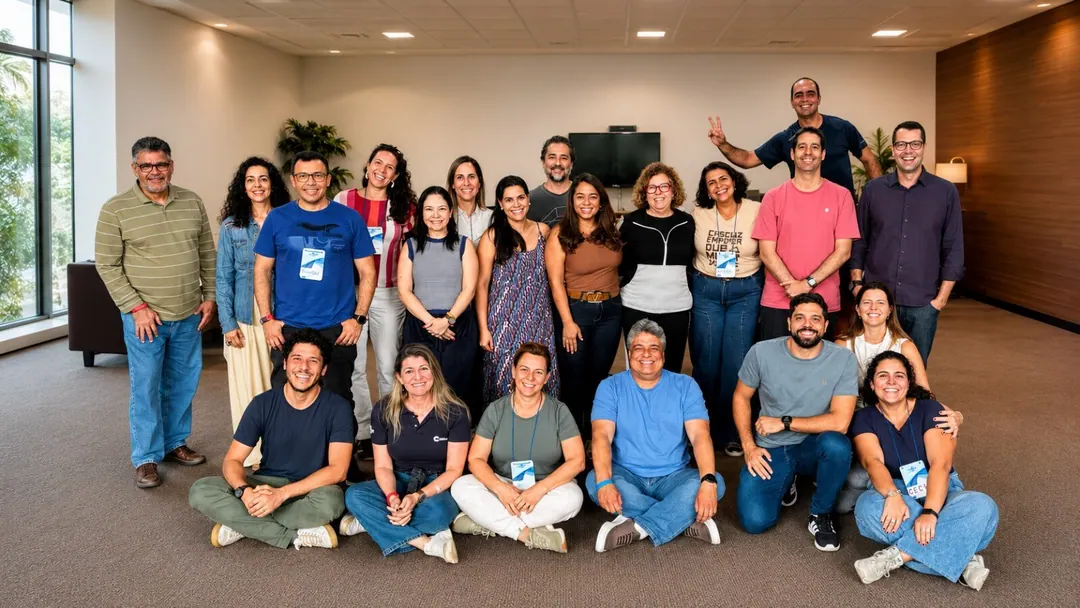
At Ativme, we believe teams mature through well-structured programs. That is why development starts from the company's values and works on six pillars that show up in any mature team.
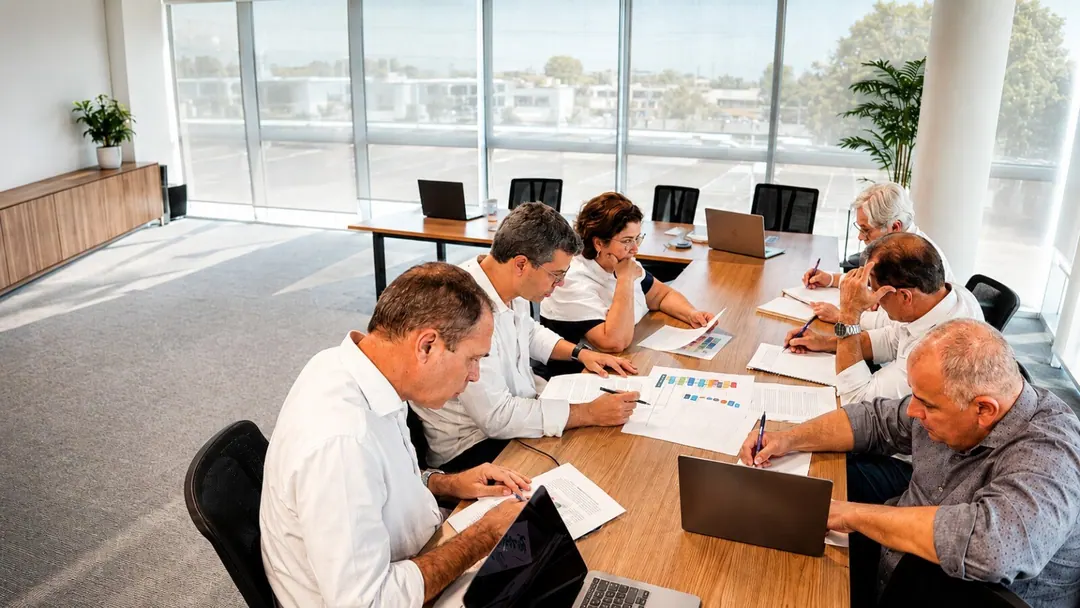
Sessions are hands-on. The team goes through situations that show how it communicates, decides and handles differences, and then talks about what it saw. Behavioral profile tools help name what used to turn into personal conflict.
Research on teams, such as Amy Edmondson's work on psychological safety, shows that teams who feel safe talking about mistakes learn faster. That is one of the foundations of the cohesion and trust pillar. Read more in psychological safety in teams and DISC at work: how to use behavioral profiles.
Departments that don't work together, conflicts that keep repeating, a new team after a restructuring or merger, and leaders who struggle to develop people unlike themselves. If these signs show up alongside leadership problems, it is worth combining the program with the Leadership School.
It is almost always both. Recurring conflict, departments that don't work together and noisy communication usually come from how the team was put together and led. That is why team development often runs alongside the Leadership School.
Tools such as DISC and Facet5 give people a shared language to talk about differences. Once the team understands that one colleague prefers data and another prefers conversation, friction drops and each profile can be used where it adds the most.
Team building is usually a one-off bonding activity. Ativme's team development is a structured program built on the company's values, with pillars worked on over time.
How to structure a leadership development program that changes behavior: diagnosis, a staged path, practice at work, manager support and measurement.
Psychological safety is the belief that a team is a safe place to take risks, make mistakes and disagree. The concept, the signs, and what leaders can do.
What DISC is, where it comes from, how each style communicates and how to use the tool to improve your team without turning people into labels.
Tell us where your team is right now. One of our specialists will reply on WhatsApp to understand the context and suggest the best way forward.