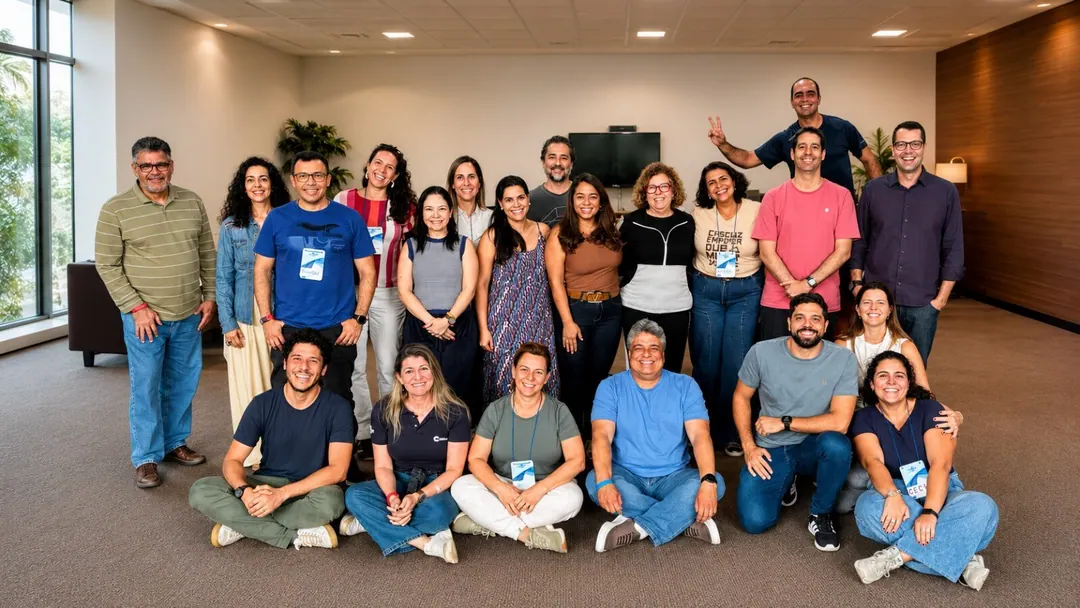
Leadership development program: how to structure one
How to structure a leadership development program that changes behavior: diagnosis, a staged path, practice at work, manager support and measurement.
One-on-one development for supervisors and coordinators in operations and other high-responsibility environments. The person being mentored is the main client of the process.
Behavioral profile, emotional triggers, reaction patterns, limiting beliefs and an understanding of the impact the leader has on the team.
Assertive communication, listening, difficult conversations, alignment, presence and influence.
Emotional maturity and balance, decision-making, conflict, prioritization and conduct in critical situations.
Healthy authority, role clarity, responsibility, consistency and hands-on leadership.
The leader's impact on culture, leading by example, accountability and building trust.
Six stages, from the alignment with the company to the executive close.
A meeting between HR, the manager and Ativme about the mentee's context, the challenges of the role, the company's expectations and the behaviors to strengthen. Ativme also coaches the manager on how to give the opening feedback.
The first conversation between the mentee and the consultant, to build rapport and trust. It covers context, challenges, expectations, strengths, insecurities and career goals.
Eight to ten sessions every two weeks, 1h15 to 1h30 each, organized around the five pillars. The consultant records progress and holds one-off alignments when needed.
With the consultant, the mentee prepares what they will present: lessons learned, changes noticed, next steps and commitments.
The mentee presents their progress, the areas they strengthened and the challenges that remain to their manager. The manager's role is to recognize what has changed.
The consultant, the manager and HR consolidate the progress, the gains noticed and recommendations for the next development steps.
LEAD Mentoria is Ativme's one-on-one development process for supervisors and coordinators who lead people under pressure, keep the operation aligned, hold their crews to discipline and answer for results in critical environments. It belongs to the LEAD line, alongside LEAD-O&G, which develops leaders in groups.
The process starts from the operational reality of the person who leads. The consultant works on behavior, leadership awareness, communication, decision-making and maturity in relationships, because people are the ones who carry out the processes every day.
The process exists to strengthen the awareness, confidence, repertoire and leadership capacity of the person taking part. The manager and HR support that growth: they join the alignment, receive the final review and close the process with Ativme.
The consultant protects the mentee's ethics, confidentiality and psychological safety throughout. What the mentee shares in the sessions stays between them and the consultant, and feedback to the company focuses on progress and behavior.
The way the process starts affects whether the mentee arrives confident or resistant. That is why, during the alignment, Ativme guides the manager through five points for the opening feedback.
| Point | What the manager communicates |
|---|---|
| Recognition | The process is an investment in the mentee's development. |
| Trust | The company believes in their potential. |
| Clarity | There are important areas to mature. |
| Safety | The goal is growth, and the process carries no sense of punishment. |
| Shared responsibility | Their growth also affects the team and the results. |
The guidance also covers what to avoid: a corrective tone, emotional exposure, threats, comparisons, excessive pressure and any sign that the mentoring is a form of surveillance.
Each process follows the goals set during the alignment. A ten-session plan might look like this:
| Session | Main theme |
|---|---|
| 1 | Diagnosis and leadership reading |
| 2 | Behavioral profile and self-perception |
| 3 | Communication and relationship with the team |
| 4 | Managing emotions under pressure |
| 5 | Conflict and difficult conversations |
| 6 | Stance and authority |
| 7 | Accountability and professional maturity |
| 8 | Hands-on leadership and influence |
| 9 | Consolidating the development plan |
| 10 | Preparing the final review |
For the mentee, the process aims at more clarity, confidence and maturity, better communication and more conscious leadership. For the area's leadership, the expectation is more reliability and responsibility, a better relationship with the team, less noise and a stronger culture. For the company, better-prepared leaders, healthier workplaces, more alignment and less strain in working relationships.
To develop leaders in groups, see the Leadership School and the guide on how to structure a leadership development program.
There are 8 to 10 one-on-one sessions between the mentee and the Ativme consultant, every two weeks, each lasting 1h15 to 1h30. Before them come the alignment meeting with HR and the manager and the opening session. After them come the final review with the manager and the executive close.
Personal content the mentee shares is not disclosed. Feedback to the company covers the progress noticed, the behaviors developed, maturity and professional growth, and never personal vulnerabilities.
LEAD Mentoria is a structured process, with goals agreed between the mentee, the manager and HR, defined stages and a focus on the operational reality of the person who leads. The consultant works on behavior, leadership awareness, communication, decision-making and maturity in relationships, always tied to the challenges of the role.
Both belong to the LEAD line. LEAD-O&G is group development, with cohorts of leaders, coordinators and supervisors from critical environments. LEAD Mentoria is one-on-one and follows one mentee at a time, with goals set together with the manager and HR.
At the executive close, Ativme can deliver an executive report with an overview of the mentee's progress, the areas strengthened, qualitative progress indicators and recommendations for the next development priorities.
How to structure a leadership development program that changes behavior: diagnosis, a staged path, practice at work, manager support and measurement.
Why shift handover is one of the most critical moments in oil, gas and energy operations, and how leaders and crews can make it safer in practice.
Tell us where your team is right now. One of our specialists will reply on WhatsApp to understand the context and suggest the best way forward.